Category: California Native Plants


February in the Natural Garden
Our climate zone is called Mediterranean, but maybe we should start referring to our weather as uniquely “Californian.” We get our rain in winter and spring. But in between what we call “rain events,” we can have some of the most beautiful days imaginable. It is not uncommon to appreciate a perfect 78 degree beach day, only to be immediately followed by cold blustery winds, heavy rain, and snow levels below 3000 feet. Three or four days like that and when it clears, we’re back to the beach! No where on earth is quite like this.
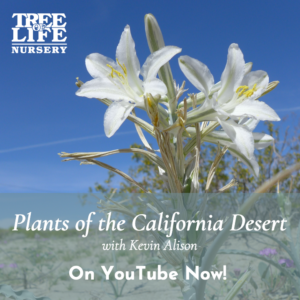
Plants of the California Deserts
Kevin Alison details California desert plants and how they are used in the garden. Kevin covers the evolution of desert habitats and common adaptations of desert plants that allow them to survive and thrive in hot, dry climates. Kevin also highlights desert species that can be planted throughout the summer and add summer color to your garden!

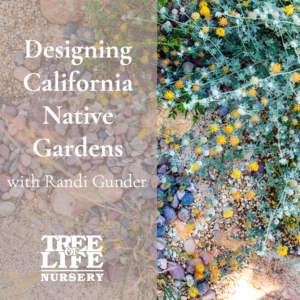
Designing with California Native Plants
Randi Gunder is an experienced Landscape Designer, whom specializes in California’s Native Plants. In this video, she breaks down her design process and guides us through her professional tips to help you create your ideal native landscape.

Randi’s Plant Palettes (PDF from YouTube Design Talk)
Check out Tree of Life’s in-house designers favorite plant palettes!

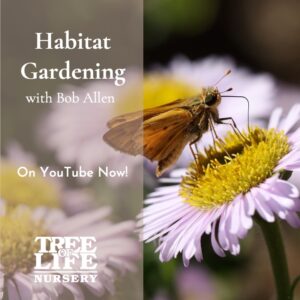
Habitat Gardening
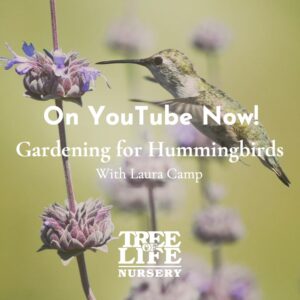
Tree of Life Nursery General Manager, Laura Camp, describes how to attract hummingbirds to your garden by creating native habitats.

Gardening For Hummingbirds Workshop
Tree of Life Nursery General Manager, Laura Camp, describes how to attract hummingbirds to your garden by creating native habitats.


How To Water Native Plants Workshop
In this video, Mike will go over everything you need to know about watering a native California plant garden. Now is the time to save water and create habitat.

Ugly Is Not a Turf Replacement
To avoid these easily recognizable and just plain ugly “syndromes,” let’s achieve functional beauty by exploring some key planning and planting principles. Consider the following points whether you are replacing existing turf, or working on a new design that might have traditionally been planted with turf, back “in the good old days.”